
Three answers to one cracked chimney
When an Arcadia homeowner calls about a cracked chimney, the question underneath is nearly always the same: does it have to come down? There are three common answers. Repointing replaces failed mortar and leaves the brick in place. Bracing ties the stack to the house so it moves with the frame. Rebuilding takes the damaged section down and lays it again with reinforcement. Each one fixes a different problem, and choosing the wrong one wastes money twice: once on the job and again when the real problem shows up.
This post compares the three on the things that decide between them. The answer for your chimney comes from seeing it, but knowing the options makes the conversation on the roof shorter.
Repointing: when the mortar failed and the brick did not
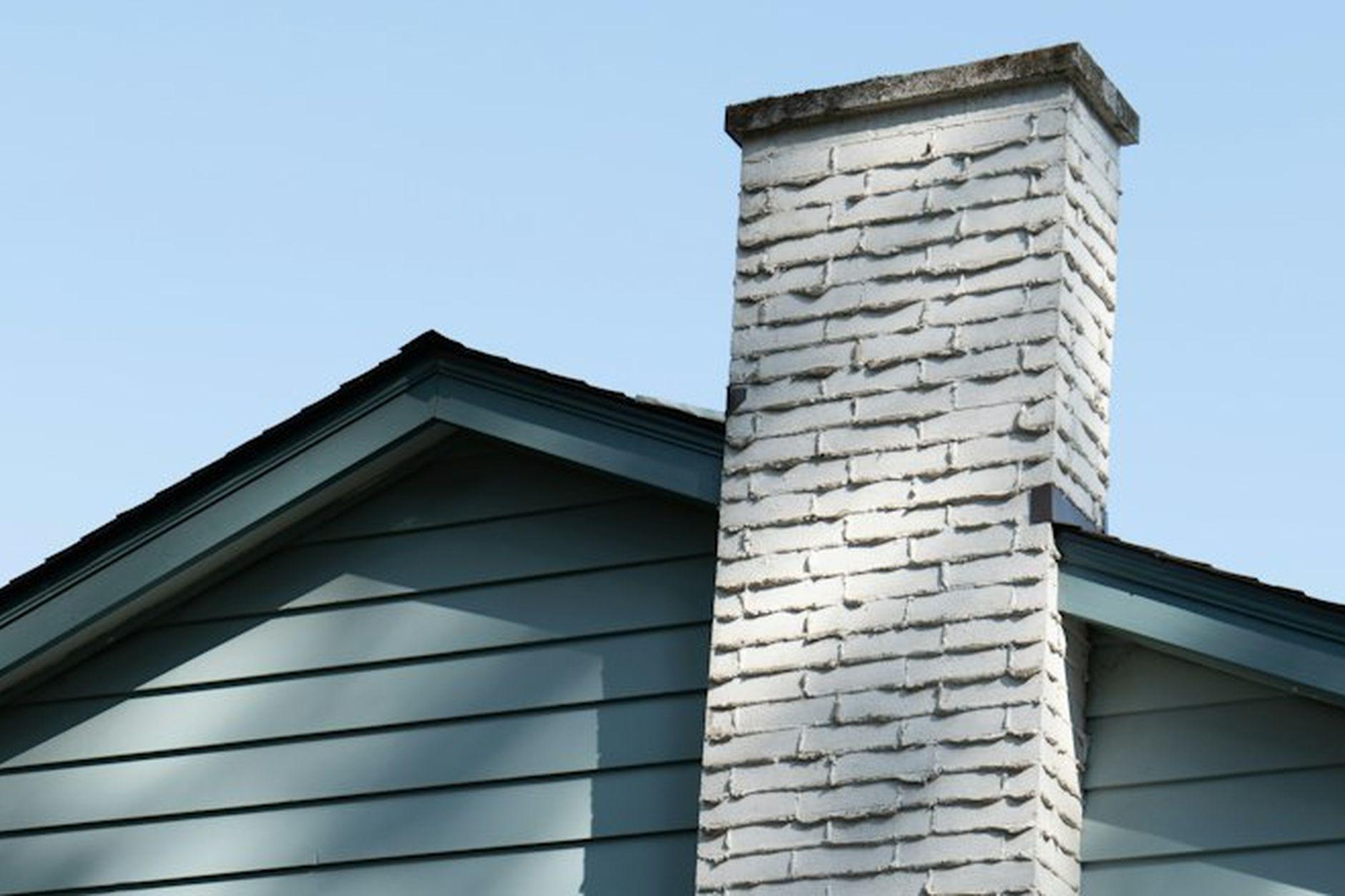
Repointing, or tuckpointing, means grinding out loose and cracked mortar to a set depth and packing in new mortar. It suits a chimney that is straight and solid, with joints that have opened up from age, weather or a mild shake.
- Fixes: open joints, crumbling mortar, small cracks that follow the mortar lines, water getting in through the joints.
- Does not fix: a lean, a crack running through the bricks themselves, cracked flue tiles, or a stack that rocks when pushed at the top.
- Watch for: a quote to repoint a chimney that is moving. New mortar in a moving stack cracks again on the next shake.
Bracing: when the stack is sound but loose
Bracing adds steel that connects the chimney to the roof framing, using straps around the stack, angle braces down to the rafters, or both. It suits a chimney whose brick and mortar are in fair shape but which has little holding it to the house. Bracing is the chimney seismic retrofit job, and we cover its quote in more depth in chimney bracing: what gets quoted.
- Fixes: a stack that stands tall above the roof with nothing tying it to the frame.
- Does not fix: failed mortar, cracked tiles or a stack that has already shifted. Strapping a broken chimney only holds the pieces together.
- Watch for: bracing fixed to framing that cannot carry it. The braces are only as good as the rafters they land on.
Rebuilding: when the column itself has moved
Rebuilding takes the chimney down to sound brick, usually the roofline, and lays it up again with steel set into the new work. It suits a stack that leans, has a crack through a full mortar bed, or has loose brick that lifts out by hand. See chimney rebuild cost in Arcadia for how we build that quote.
- Fixes: movement, broken brick, failed mortar above the cut line, and the missing reinforcement all at once.
- Does not fix: cracked flue tiles below the cut line. Those still need a liner or relining.
- Watch for: a rebuild quote that does not say where the cut line is.
How the three compare
| Question | Repoint | Brace | Rebuild |
|---|---|---|---|
| Stack straight and solid? | Yes | Yes | No |
| Mortar the main problem? | Yes | No | Often |
| Adds steel to the stack? | No | Outside it | Inside it |
| Brick comes down? | No | No | Above the cut |
| Flue tiles dealt with? | No | No | Above the cut |
The flue sits outside all three columns for a reason. Repointing, bracing and rebuilding all work on the brick. The tiles inside are a separate question, answered by the video scan, and the usual fix for cracked tiles in a chimney that stays standing is a stainless liner.
What decides which one you need
Three findings decide it, and all three come out of a Level 2 inspection at $400:
- Movement. Is the stack plumb? Does it rock? Is there a flat crack at the roofline?
- Brick condition. Do the bricks ring solid, or are they cracked and flaking?
- Flue condition. Are the tiles whole and their joints tight?
A straight chimney with bad mortar and good tiles is a repoint. A straight chimney with good mortar and nothing tying it in is a brace. A leaning one is a rebuild, with a liner added if the tiles below the cut are cracked. Plenty of jobs are a mix: a repoint plus bracing, or a rebuild from the roofline with a liner run down the rest.
Once the scan is done we can tell you which of these your chimney needs. Say whether the stack leans, rocks or only shows cracks, and ask for a written quote on the right one. We may ask for a photo when we call back.
What carries a price before the visit
Only some of this work is on our list. The Level 2 is $400. If a wide stack needs a cricket to shed water, that runs $455 to $1,030, or $685 to $1,700 with new flashing all round. A new cap after a rebuild is quoted after we measure; flue count, cap size and metal decide the price. Repointing, bracing, rebuilding and lining are priced on a written quote after the visit, because their size depends entirely on the chimney.
A note for buyers and sellers
If the house is changing hands, the choice between the three affects the deal. A buyer is weighing a repoint against a rebuild very differently. We send the findings and the quote to whoever the client names, which our home sale page explains.
We work from Arcadia across El Monte, Monrovia and Covina. When you want to know which of the three your chimney needs, ask through the contact page.
Chimney Showing Signs of Movement?
Donovan Chimney Works reads the crack, names the cause and prices bracing, repair or a rebuild in writing. We work from Arcadia through Monrovia, El Monte, Covina and the rest of our list.