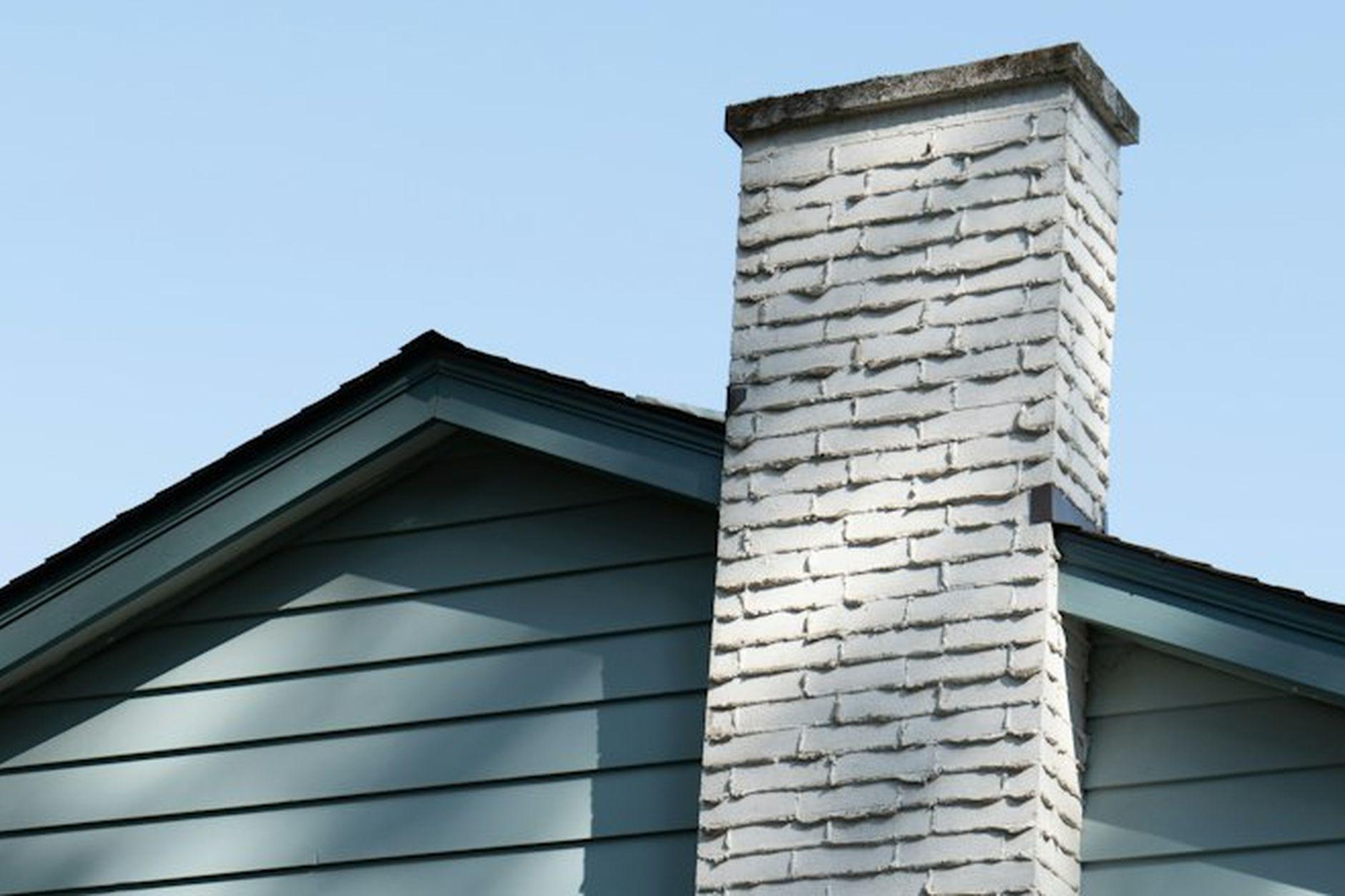
The damage you cannot see from the driveway
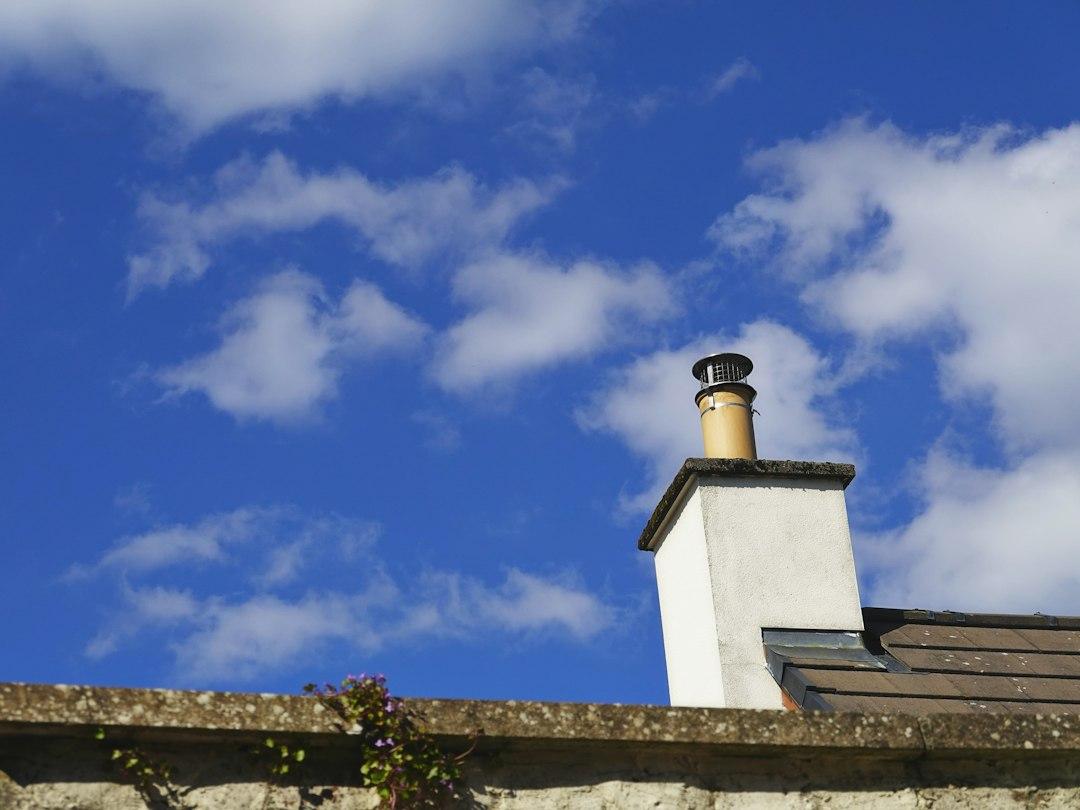
After a shake, most owners in Arcadia walk outside and look up. If the chimney is standing and straight, they go back in. That check catches the worst cases, a stack that has dropped bricks onto the roof or tipped away from the wall. It misses the damage that matters most for the next fire: cracks in the clay tiles that line the flue, gaps where tiles have slid apart at their joints, and a smoke chamber that has opened up behind the damper.
Those are hidden inside the brick. A flue tile can split top to bottom while the outside of the chimney looks the same as it did the day before. Hot gas and sparks then reach brick and framing they were never meant to touch. That is the reason a Level 2 inspection exists, and the reason NFPA 211 points to one after a quake or anything else that may have shaken or scorched the chimney.
What the $400 visit covers
Our Level 2 is priced at $400. It is built around the parts of a chimney that move and crack in a quake:
- The flue, top to bottom. A video scan travels the full height, joint by joint, and we record what it shows: split tiles, offset joints, missing mortar and anything lodged inside.
- The roofline joint. We look at where the stack leaves the roof for flat cracks, open joints and any sign of a tilt.
- The attic side. Where the chimney passes through the attic, we check for gaps between brick and framing, cracked mortar and scorching on nearby wood.
- The crown and cap. A cracked crown lets rain into fresh quake cracks, which makes them worse each winter.
- The firebox and smoke chamber. Movement here shows up as cracked firebrick and gaps at the back of the damper.
- Flashing and the cricket. If the stack shifted, the metal at the roof often pulled loose with it.
There is a lighter option. Our Level 1 at $56 suits a chimney that has not been through anything unusual since its last look: we check what can be seen from the firebox and the roof without the video. After a quake it is not enough, because the cracks we are looking for are exactly the ones a Level 1 cannot reach.
Who books a post-quake Level 2
- Owners who use the fireplace. Before the next fire, you want to know the flue will hold it.
- Buyers in escrow. A home inspector's note to "have the chimney evaluated" usually means this visit. See our home sale inspection page.
- Landlords and HOAs. One visit can cover several fireplaces; our property manager page sets out how.
- Owners filing an insurance claim. A dated report with photos shows what the chimney looked like after the event.
What decides the next step
The findings sort into three kinds, and each leads somewhere different:
- Nothing moved. You get the report and photos, and the chimney goes back into use.
- Surface cracks and open joints. These are masonry work: repointing, crown repair, flashing. Some carry list prices, the rest are written up after the visit.
- Structural movement or split tiles. A leaning stack, a crack through the mortar bed, or several cracked tiles points to bracing, a liner, or a rebuild above the roofline.
The scan footage is what sorts one from the other, so we do not quote repairs before it. Once you know the chimney went through a shake, describe what you noticed and ask for a Level 2 visit. Tell us if bricks fell, if there is a new crack you can see, or if the fireplace smells different. We may ask for a photo when we call back.
What you receive
The report is written in plain words, one finding to a line, with photos and stills from the scan beside each one. It says what we found, where it is, and what it means for using the fireplace. When repairs are needed, the written quote comes separately, so you can share the findings with a buyer, an insurer or another contractor without a price attached.
If a repair is needed, our up to code repairs page lists the usual fixes and the ones that carry a list price.
How the visit runs
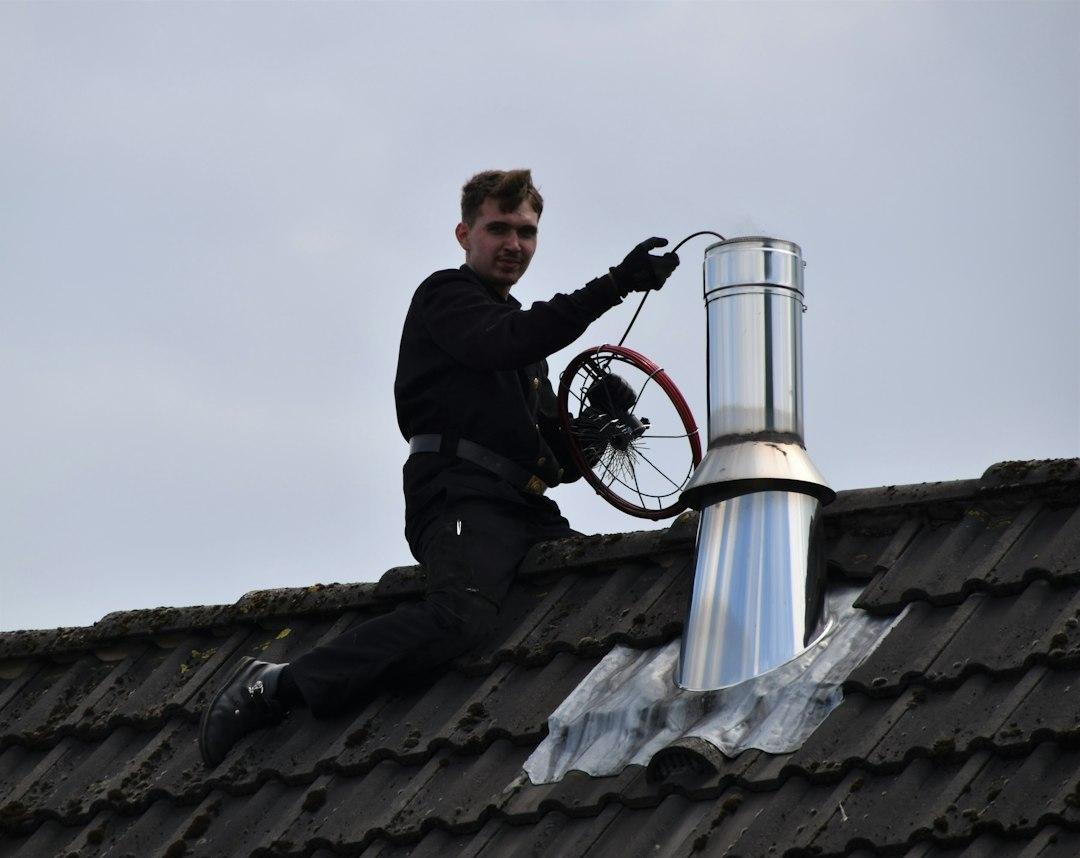
We start on the ground with a walk round the outside of the stack, then go up on the roof to look at the crown, the cap, the flashing and the joint at the roofline. Inside, we lay drop cloths at the hearth, open the damper and feed the scan head up from the smoke chamber. The attic comes last, wherever there is a hatch we can reach. You are welcome to watch the footage on the screen as it runs, and we will point out anything we see while we are there. Nothing is repaired on the day: the visit is for finding things and writing them down, so the report stays separate from any sale of work.
Why we lead with quakes
Arcadia sits at the foot of the San Gabriel Mountains, close to the Sierra Madre fault zone, and the 1991 Sierra Madre quake is still within memory for many owners here. The 1987 Whittier Narrows quake hit the valley floor around El Monte. Brick chimneys from the decades before modern reinforcement are common in the older parts of Arcadia, Monrovia and Covina, and they are the ones most likely to have taken damage that never showed.
We write about what follows a bad report in chimney rebuild cost in Arcadia and rebuild, repoint or brace. The service itself is on our Level 2 inspection page.
After the next shake, or before the first fire of the season, book the scan through our contact page.
Chimney Showing Signs of Movement?
Donovan Chimney Works reads the crack, names the cause and prices bracing, repair or a rebuild in writing. We work from Arcadia through Monrovia, El Monte, Covina and the rest of our list.